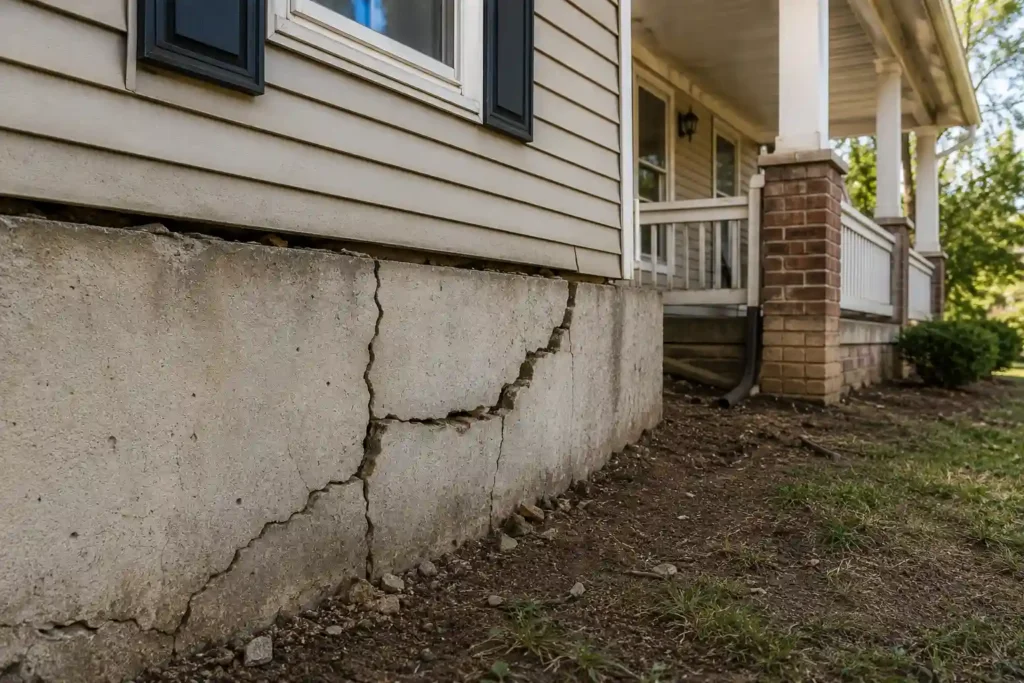
Foundation issues are often a homeowner’s worst nightmare. You might notice stair-step cracks in the exterior brick, doors that suddenly refuse to close properly, or sagging and uneven floors. If you are getting ready to sell your home in Northeast Tennessee, discovering a structural problem can feel like the end of the line.
The good news is that you absolutely can sell a house with foundation problems. However, you need to understand the local laws and choose the right selling strategy so you don’t end up losing money or facing legal trouble.
Here is exactly what you need to know about selling a house with structural issues in Tennessee.
The Law: You Cannot Hide a Foundation Problem
One of the biggest mistakes sellers make is trying to patch over a foundation crack and hoping the buyer’s inspector doesn’t notice. In Tennessee, this is not just unethical; it is illegal.
- Mandatory Disclosure: Under the Tennessee Residential Property Disclosure Act, sellers are required by law to disclose all known material defects regarding the condition of the home. This absolutely includes structural and foundation problems.
- “As-Is” Doesn’t Mean “Secret”: Even if you decide to list your home strictly “As-Is,” you must still clearly tell buyers about all foundation problems right from the start.
- Legal Consequences: If you hide foundation problems or fail to disclose them, you could face expensive lawsuits from the buyer after the closing.
Your 3 Options for Selling
When you are dealing with a compromised foundation, you have three primary paths forward.
Option 1: Fix It Before You List
The best first step is to hire a licensed structural engineer to get a professional opinion on the exact cause and scope of the damage.
- The Pros: Fixing the problem allows you to list the home at full market value, gives buyers peace of mind, and ensures the home qualifies for traditional bank financing.
- The Cons: Foundation repairs are expensive. While minor crack repairs might cost between $250 and $800, major house settling or sinking repairs can range from $5,000 to $25,000. You also have to manage contractors and delay your sale.
Option 2: List It “As-Is” on the Open Market
If you don’t have the cash to fix the foundation, you can list it on the MLS in its current condition.
- The Pros: You avoid the out-of-pocket costs of major construction.
- The Cons: “As-is” sales typically bring offers that are 20% to 40% below market rates. Furthermore, lenders require appraisals, and an appraiser flagging “structural damage” is often the kiss of death for traditional financing. Most retail buyers simply won’t be able to get a loan for the house.
Option 3: Sell Directly to a Cash Buyer
For homeowners who need a guaranteed sale without the hassle, selling to a local real estate investor is often the safest route.
- The Pros: Cash buyers bypass the traditional banking system entirely, meaning there are no lender appraisals or loan denials to worry about. You can sell the house exactly as it sits, avoiding all repair costs and real estate commissions.
- The Cons: Investors factor the cost of the foundation repair (and their financial risk) into their offer, meaning your final cash price will be lower than if you had fixed the home yourself and sold it to a retail buyer.
Get a Clear Picture with Ridgeline Acquisitions
If you have a home with foundation issues in Johnson City, Kingsport, or Bristol, you shouldn’t have to guess which option is best for your wallet.
Because Ridgeline Acquisitions operates as both local cash buyers and licensed Realtors, we can sit down with you and map out both routes. We can give you a fast, fair cash offer to take the foundation problem off your hands completely. Or, we can look at the repair estimates and determine if fixing it and listing it on the MLS will net you more money in the long run.
Don’t let foundation damage paralyze your plans. Enter your address at the top of the page or give us a call today to see exactly what your options are.